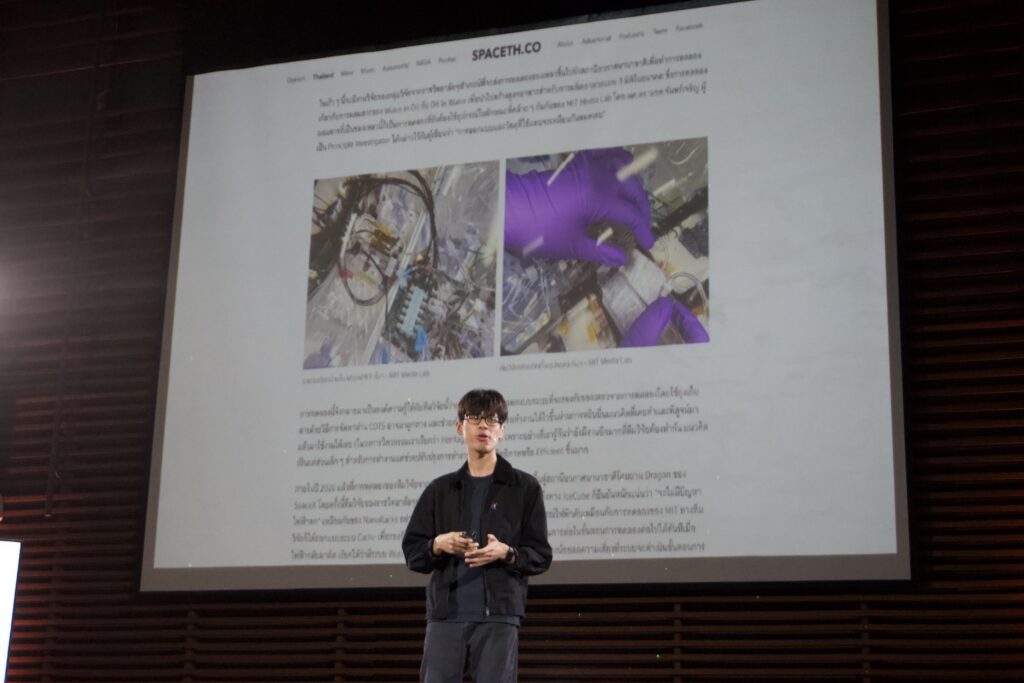
Nattanon Dungsunenarn
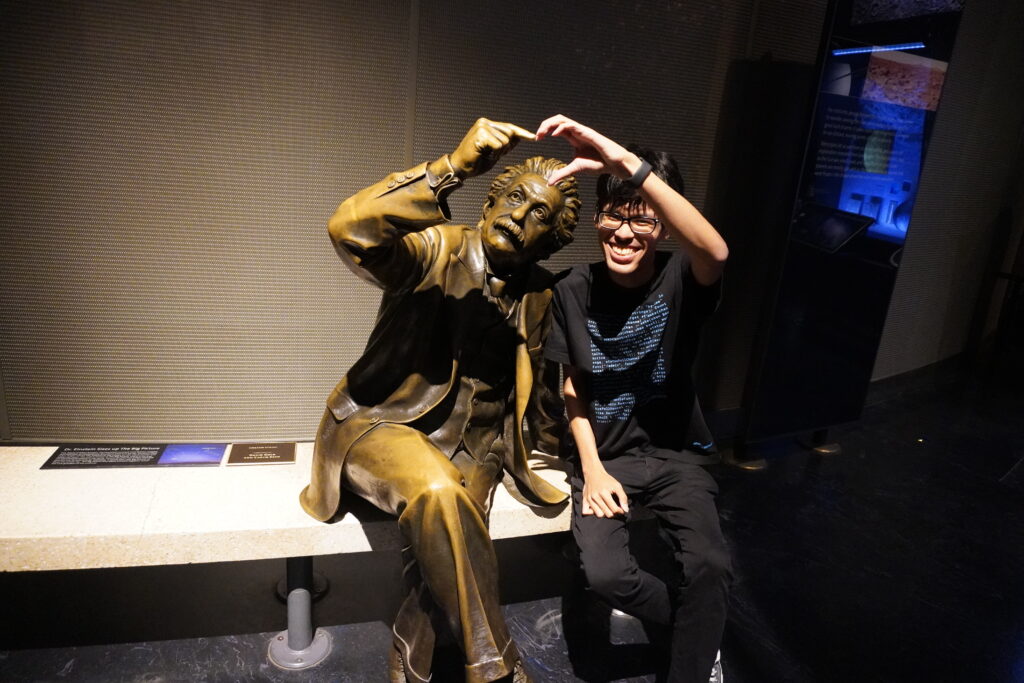
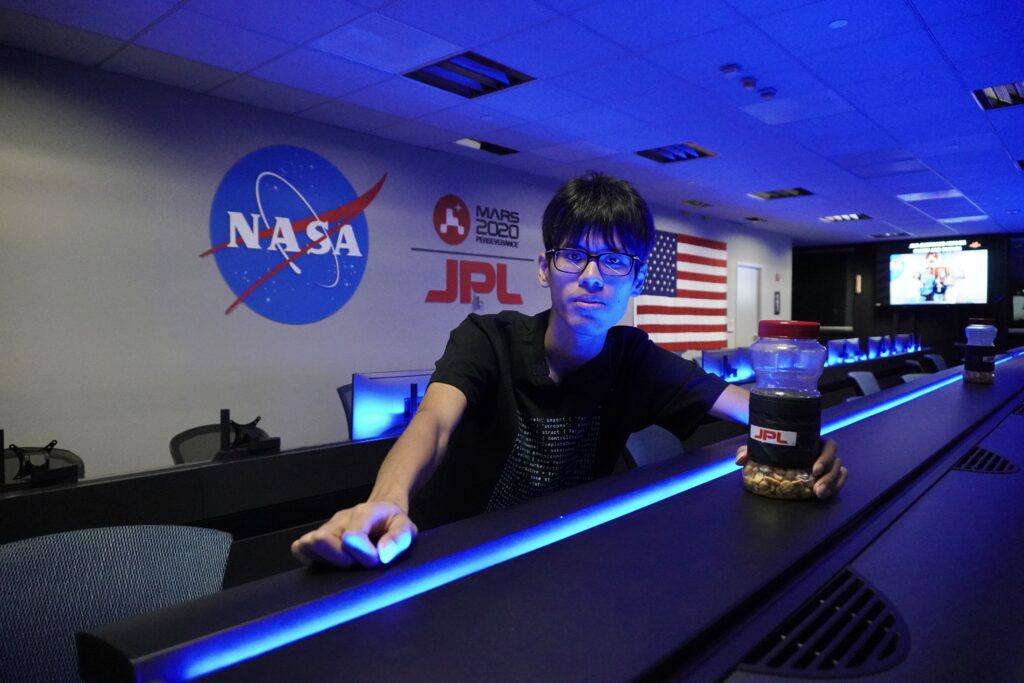
A Space Enthusiast, Editor-in-Chief of Spaceth.co, A Thai PBS Podcast Host and a columnist for multiple media outlets. Organizing tech community at Creatorsgarten. I spends most of my lifetime enjoying science and technology and arts. I live in Bangkok, Thailand and occasionally love to visit Hong Kong and the United States. I enjoy beer and wine, watching airplanes, I also have a zebra stuffed animal as a pet! He’s very cute.
Background
I graduated from Suankularb Wittayalai Nonthaburi and studied Computer Science at King Mongkut’s University of Technology Thonburi before later pursuing Journalism at Chulalongkorn University. I have long been passionate about space exploration, computer science, history, and the arts. After creating Nutn0n Blog as a platform to share my interests online, I went on to co-found Spaceth.co, a Thai space media outlet, in 2017.
Beyond journalism, I work as a freelance web developer, having overseen more than 50 website projects for clients in Thailand and around the world. I also develop my own projects using JavaScript, TypeScript, and Python.
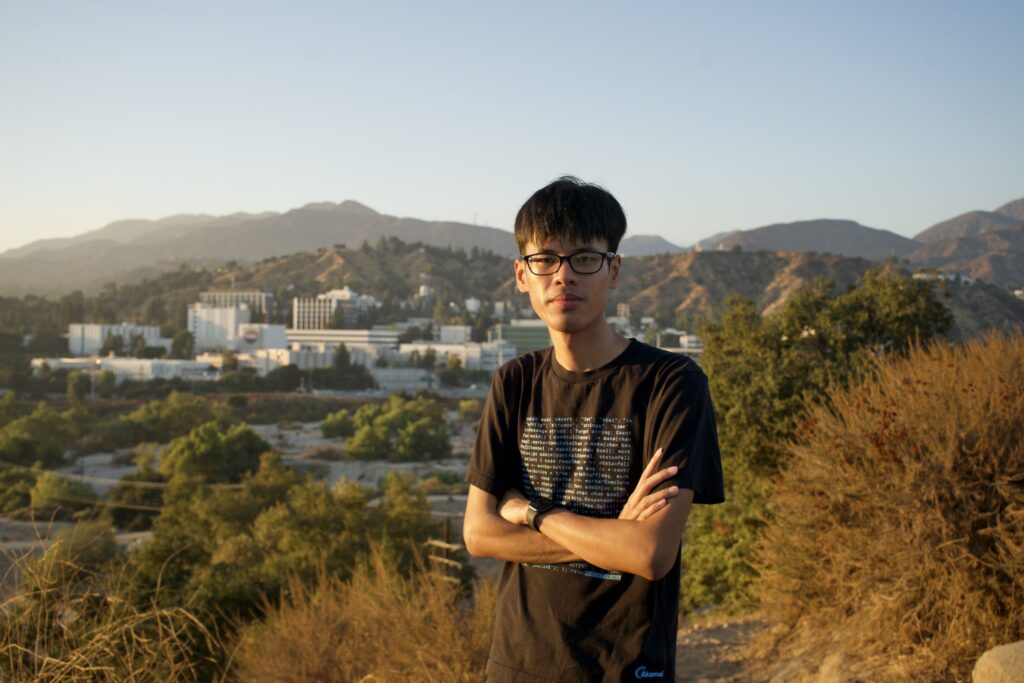
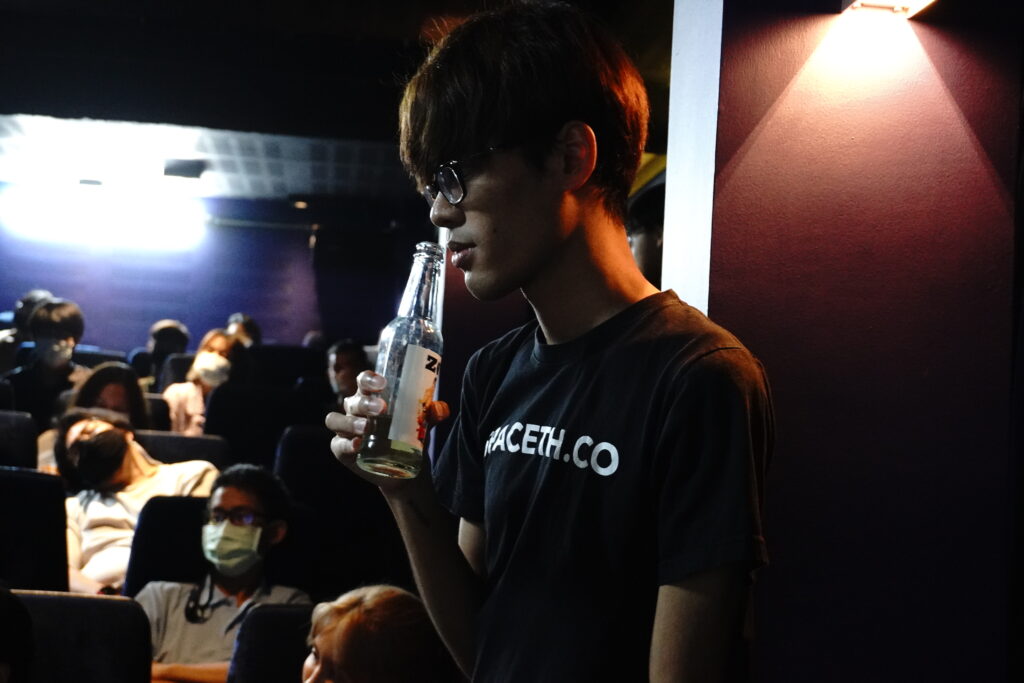
My Space Passion
When I was young, I was fascinated by the landing of the Mars Exploration Rovers in 2003. As a five-year-old, I couldn’t believe that humans could send a robot to another planet and have it bounce on the surface. I later grew up watching the Space Shuttle help assemble the International Space Station, and witnessed the end of that era. As a new chapter of space exploration began around 2014, I started writing a blog about the Orion spacecraft, followed in 2015 by coverage of the successful landing of Falcon 9 which eventually led to the founding of Spaceth.co.
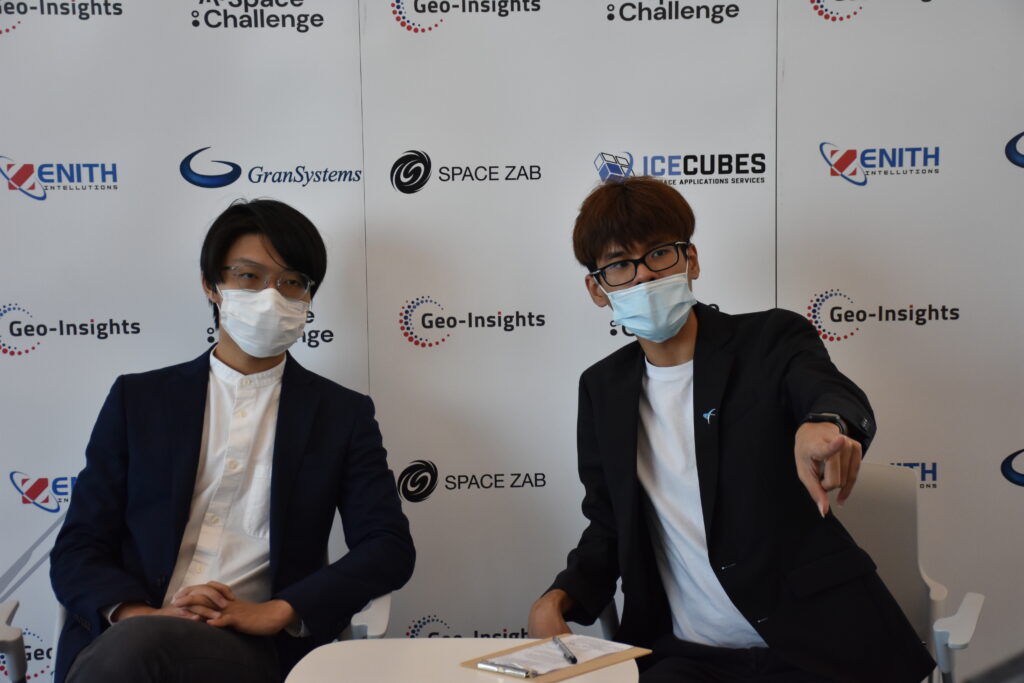
My passion for space has led me to collaborate with both regional and international space organizations. In 2020, I led a Space & Art project called MESSE, which sent DNA-encoded data storage to space aboard Blue Origin’s NS-13 mission. I also helped organize an AI Space Challenge that encouraged students to conduct AI-related research on ESA’s Columbus module aboard the International Space Station, and have volunteered in multiple citizen space exploration initiatives, including MIT’s HUMANS. In 2022 we became an official media partner of the International Astronautical Congress 2022 in Paris.
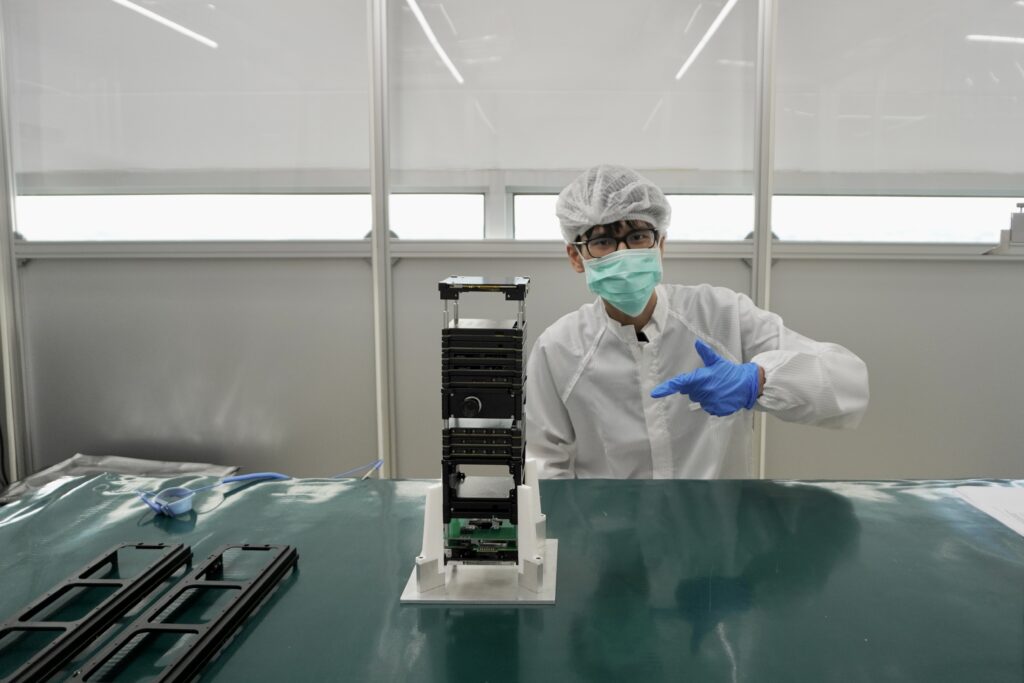
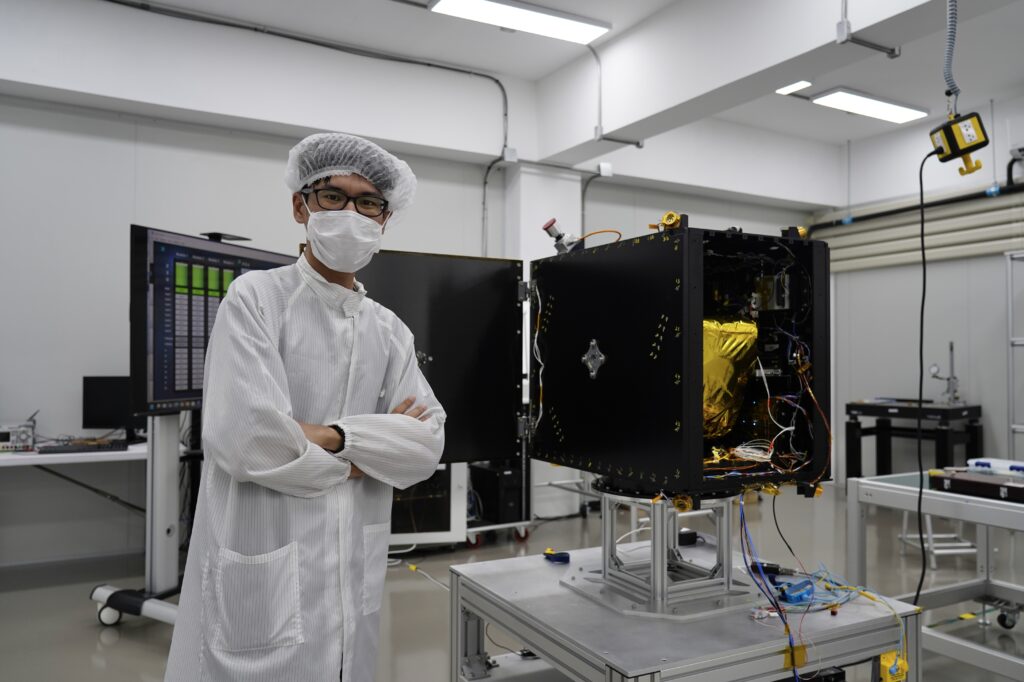
Thanks to the growing space community in Thailand, I have gained hands-on experience with projects such as TIGERS-X, where I contributed to developing communication strategies for experiments on the International Space Station. I have also had the opportunity to learn extensively about national space initiatives, including the Thai Space Consortium spacecraft at NARIT.
With the ability to work hands-on with real projects, including engineering and coding, I enjoy writing about the technical aspects of space missions and contributing to space education through lectures and organizing camps. This helps bridge the gap between STEM and communication.
Launch Photography
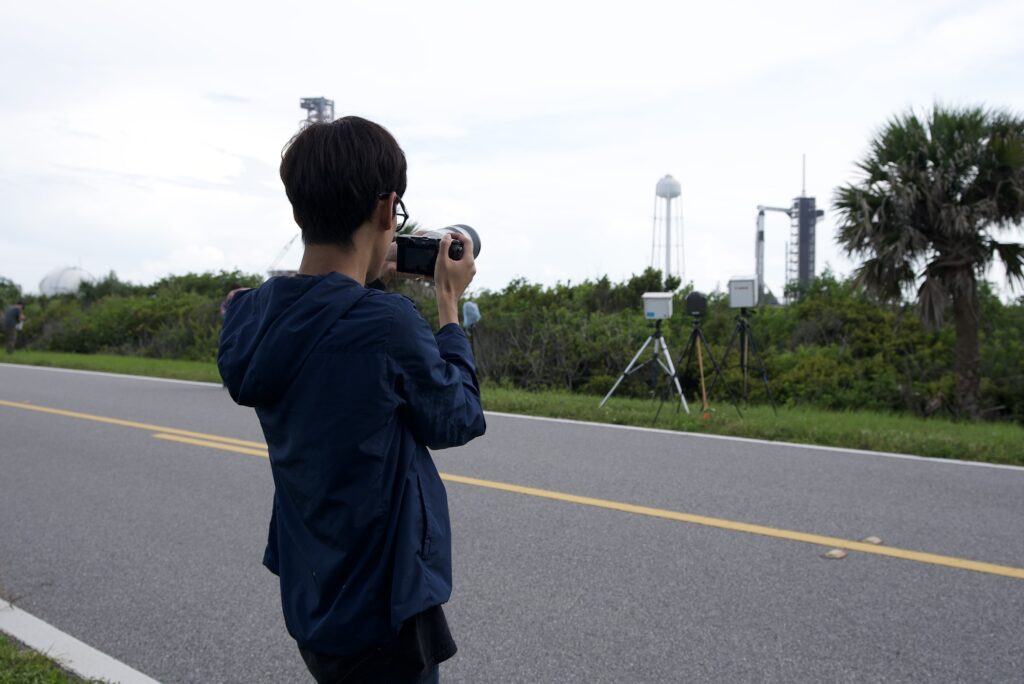
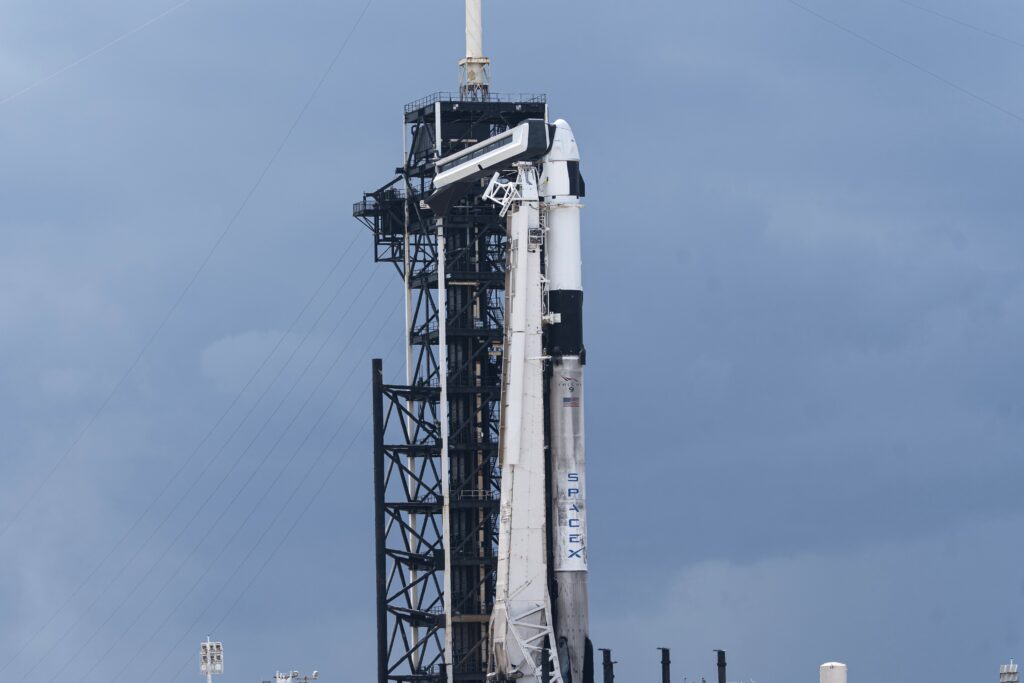
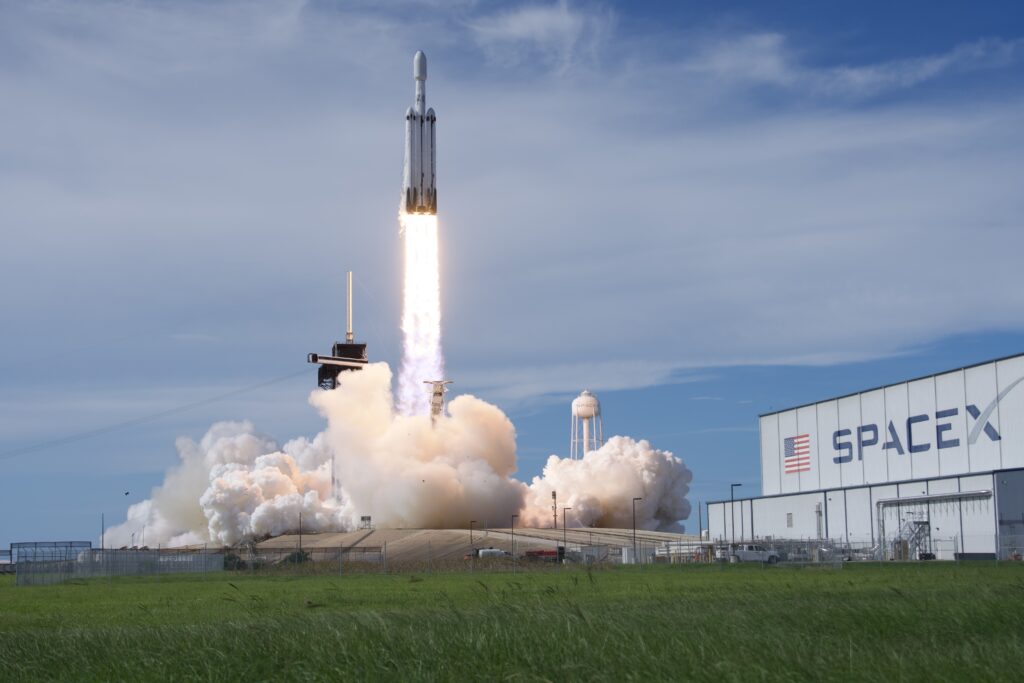
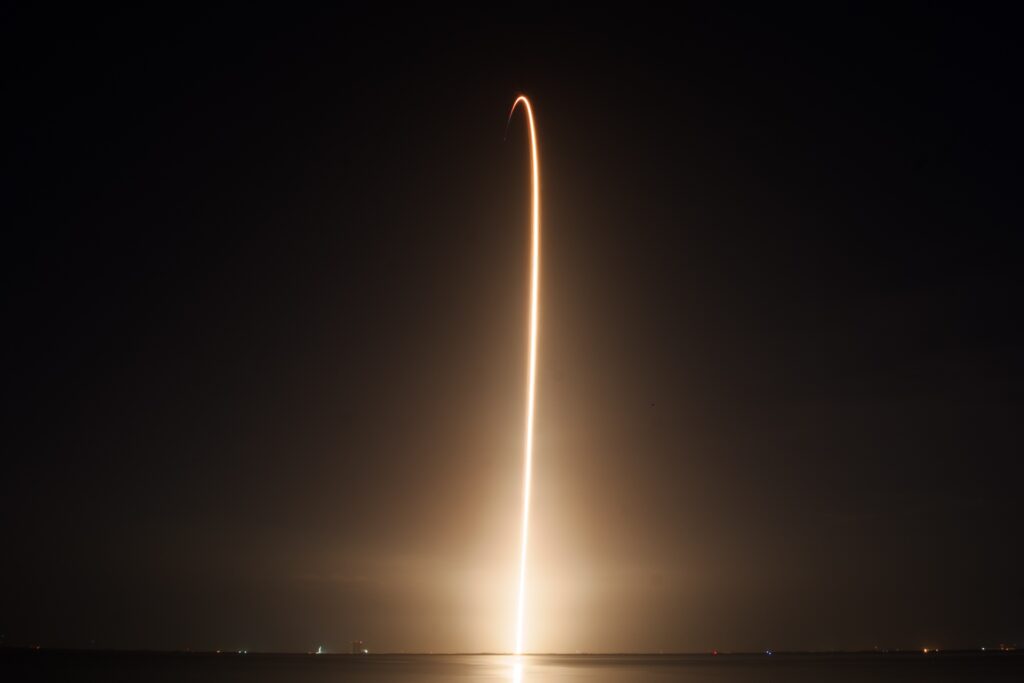
In 2024, I received my first media accreditation from NASA’s Kennedy Space Center, granting me access to the world of launch photography where I discovered a new passion for capturing the moments when things are sent to space. My first launch was PACE aboard a Falcon 9 rocket, followed by coverage of multiple Falcon 9 and Falcon Heavy missions, including Europa Clipper, as well as human spaceflight missions such as Starliner.
I was also given the opportunity to be among the first international media to visit Exploration Ground Systems and the Space Launch System (SLS) for the Artemis II mission, where I produced a full video review of the rocket assembly, launch pad, and supporting infrastructure. One of my greatest honors was conducting interviews with Victor Glover and Jeremy Hansen from Artemis II.
My Goals of Working
I believe that knowledge has little impact if it is not passed on. A core part of my work is dedicated to education whether through writing, lectures, workshops, or camps where I aim to translate complex ideas into something accessible without losing their depth. I see this as a way to reduce the gap between STEM and the public, making science not just something to observe, but something people feel connected to and capable of engaging with.
Ultimately, my goal is to help shape the next generation. By supporting and inspiring young people, I hope to create an ecosystem where curiosity is encouraged, critical thinking is valued, and knowledge is shared openly. In the long run, I believe that sustainable progress does not come from isolated achievements, but from communities that are built on strong foundations of shared understanding.